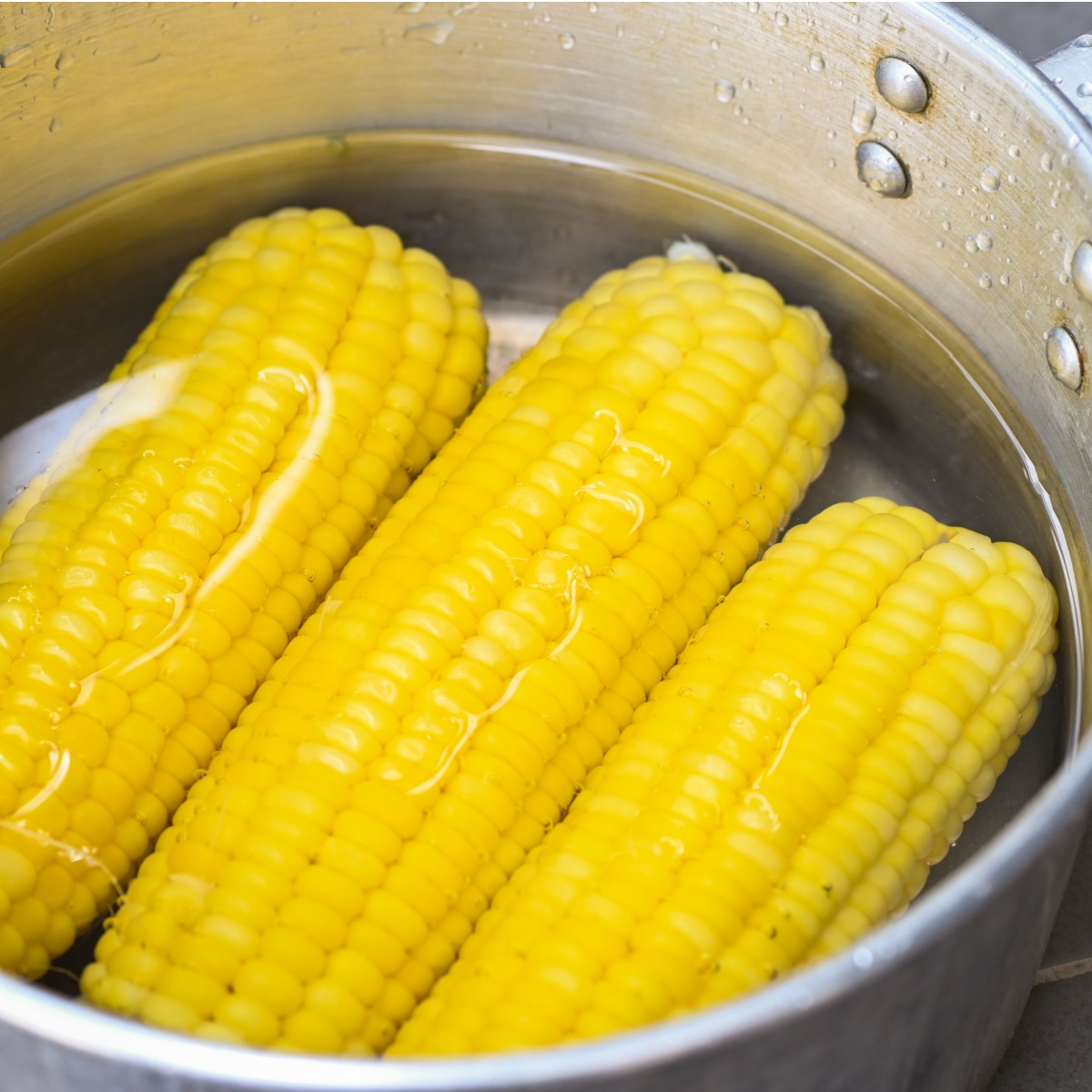
There's a universally acknowledged truth in the culinary world: perfectly cooked corn on the cob is a summer delight that can elevate any meal. Conversely, mushy, flavorless corn is nothing short of a culinary tragedy. Learning to boil corn on the cob the right way isn't just a basic cooking skill; it's the key to unlocking its inherent sweetness and achieving that satisfying crisp-tender bite.
For many years, my approach to cooking corn was, shall we say, less than scientific. I recall a particular incident in my college days, tasked with preparing corn for a departmental gathering. With a cooking repertoire limited mostly to instant noodles and canned goods, I nervously tossed shucked ears into a pot of boiling water, guessing at the cook time. To my surprise, the corn was met with rave reviews – a complete accident, but one that left me pondering the simplicity of it all. What I unknowingly stumbled upon was the essence of perfection: fresh corn, minimally handled, cooked just long enough.
That accidental success story cemented a foundational principle: when it comes to sweet corn, often the simplest method yields the best results. Fast forward years later, and while my culinary skills have undoubtedly expanded, my method for boiling corn on the cob remains largely unchanged. The compliments still pour in, and the secret lies in respecting the corn's natural goodness rather than trying to enhance it with unnecessary additions. This guide will show you how to achieve that same effortless perfection, every single time.
Why Boiling is the Go-To Method for Perfect Sweet Corn
While grilling, roasting, and steaming all have their merits, boiling remains one of the most traditional and reliable ways to prepare corn on the cob. It’s incredibly quick, straightforward, and effectively brings out the natural sweetness without needing a long list of ingredients. When corn is in season and at its peak freshness, its flavor profile is already robust and vibrant. Introducing too many extra elements – be it milk, sugar, or a stick of butter directly into the boiling water – often masks rather than highlights this natural deliciousness.
The beauty of boiling lies in its efficiency. It provides a gentle, even heat distribution that quickly cooks the kernels, preserving their pop and juiciness. This method is particularly forgiving, provided you follow a few key principles, ensuring you avoid the dreaded mushy texture that ruins so many attempts at boiled corn. Whether you plan to serve it alongside grilled ribs, cut it off the cob for a fresh salad, or simply enjoy it with a sprinkle of salt, knowing how to properly boil corn on the cob is an indispensable skill for any home cook. For a deeper dive into mastering this technique, you might find our guide, Master Boiling Corn on the Cob: The Foolproof Guide for Perfection, particularly helpful.
Choosing the Freshest Corn for Optimal Results
The journey to perfect boiled corn begins long before the water heats up. The quality of your raw ingredient makes all the difference. Always start with the freshest corn on the cob you can find. Farmer's markets, roadside stands, and local grocery stores specializing in seasonal produce are your best bets. Here’s what to look for:
- Bright Green Husks: The outer leaves should be vibrant green, tightly wrapped around the cob, and slightly damp. Avoid corn with dry, yellowing, or loose husks.
- Moist, Slightly Sticky Silk: The silk (the threads at the top) should be light brown or golden, slightly moist, and sticky to the touch. Black or dry silk indicates older corn.
- Firm, Plump Kernels: Gently peel back a small section of the husk (or feel through it). The kernels underneath should be plump, tightly packed, and firm. If they look shriveled or feel soft, move on.
- Heavy for its Size: A fresh ear of corn will feel surprisingly heavy, indicating good moisture content.
Remember, sweet corn begins to convert its sugars to starch soon after being picked. The fresher it is, the sweeter and more tender it will be, requiring less effort to taste amazing.
The Foolproof Method: How to Boil Corn on the Cob
Achieving perfectly crisp-tender, naturally sweet corn is incredibly simple with this fail-proof method. Forget the old advice about adding sugar or milk to the water – for fresh corn, it’s simply not necessary and can even detract from the natural flavor.
Step-by-Step Instructions:
- Preparation: Start by shucking your corn. Remove all the green husks and silk strands. A stiff brush or clean paper towel can help remove stubborn silks. If you prefer, you can break the ears in half to fit smaller pots, though whole ears are perfectly fine.
- Choose Your Pot Wisely: Select a large pot that can comfortably hold all the corn you plan to cook, ensuring there's enough room for the water to circulate freely. Overcrowding the pot can lead to uneven cooking.
- Boil the Water: Fill your pot about two-thirds full with plain tap water. Bring the water to a rolling boil over high heat. There's no need to add salt at this stage; some argue it can toughen the corn kernels. Save the seasoning for after cooking.
- Add the Corn: Once the water is at a vigorous boil, carefully add the shucked corn on the cob to the pot. Make sure the corn is fully submerged.
- The Critical Cooking Time: This is where many go wrong. Fresh sweet corn cooks very quickly! Once the water returns to a boil (which it should do rapidly after adding the corn), cook the corn for just 3-5 minutes. That's it! Any longer, and you risk venturing into mushy territory as the natural sugars break down and the starches soften excessively. For truly fresh, young corn, even 2 minutes can be sufficient.
- Drain and Serve Immediately: As soon as the cooking time is up, carefully remove the corn from the boiling water using tongs. Drain off any excess water. Serve the corn immediately, piping hot.
Tips for Perfection & Enhancing Your Boiled Corn Experience
While the basic method for how to boil corn on the cob is simple, a few extra tips can elevate your corn game from great to absolutely unforgettable.
- Don't Overcrowd the Pot: Ensure ample space in the pot. If you have too many ears, cook them in batches to maintain the water temperature and ensure even cooking.
- Seasoning is Personal: The classic pairing is simply butter and a sprinkle of salt. However, don't be afraid to experiment! Try a squeeze of fresh lime juice with chili powder, a dusting of smoked paprika, fresh chopped herbs like cilantro or parsley, or even a drizzle of homemade garlic butter.
- Serving Presentation: Serve corn on a large platter. You can offer a variety of toppings on the side – different flavored butters, cheeses, or spices – to let your guests customize their experience.
- Addressing Less-Than-Peak Corn: If your corn isn't farm-fresh and might be a little older, you *can* add a small pinch of sugar (about a tablespoon per gallon of water) to the boiling water to help bring out some sweetness. Some also swear by a splash of milk for creaminess, but use these sparingly to avoid masking the corn's natural flavor. This isn't necessary for fresh corn.
- Leftovers: If you have any leftover boiled corn, let it cool completely, then wrap it tightly in plastic wrap or place it in an airtight container. It will keep in the refrigerator for 3-4 days. Reheat gently in the microwave or briefly in boiling water.
Remember, the goal is to enhance the corn’s inherent sweetness and tender texture, not to overpower it. For another perspective on perfecting this dish, consider checking out Quick & Easy: The Fail-Proof Method for Perfect Boiled Sweet Corn.
Unlock Natural Sweetness, Every Time
Mastering how to boil corn on the cob is truly one of those fundamental kitchen skills that brings immense satisfaction. By starting with the freshest produce and adhering to a brief cooking time in plain water, you allow the corn's natural sugars and tender texture to shine. No more guessing, no more mushy disappointments. Just crisp, sweet kernels bursting with flavor, ready to be enjoyed as a simple, delicious side or as the star of your summer spread. So next time you bring home those vibrant ears of corn, boil them the right way, and savor the taste of effortless perfection.
